World’s First Application of Hybrid Ceramic Textiles by Denvelops and La Paloma Cerámicas
The Renovation of the Iconic Expo 92 Building at the Historic Monastery of La Cartuja Introduces a New Generation of Industrialized, Sustainable, High-Performance Ceramic Architectural Textiles Designed to Transform Contemporary Façade and Pergola Design
Architecture & Project Director: Fernando Visedo Manzanares /Construction Site Director: Valentín Murillo / ELE – ELESTUDIO & CO / Location: Seville / Construction Company: Grupogyo / Photography: Daniel Salvador-Almeida
The Project
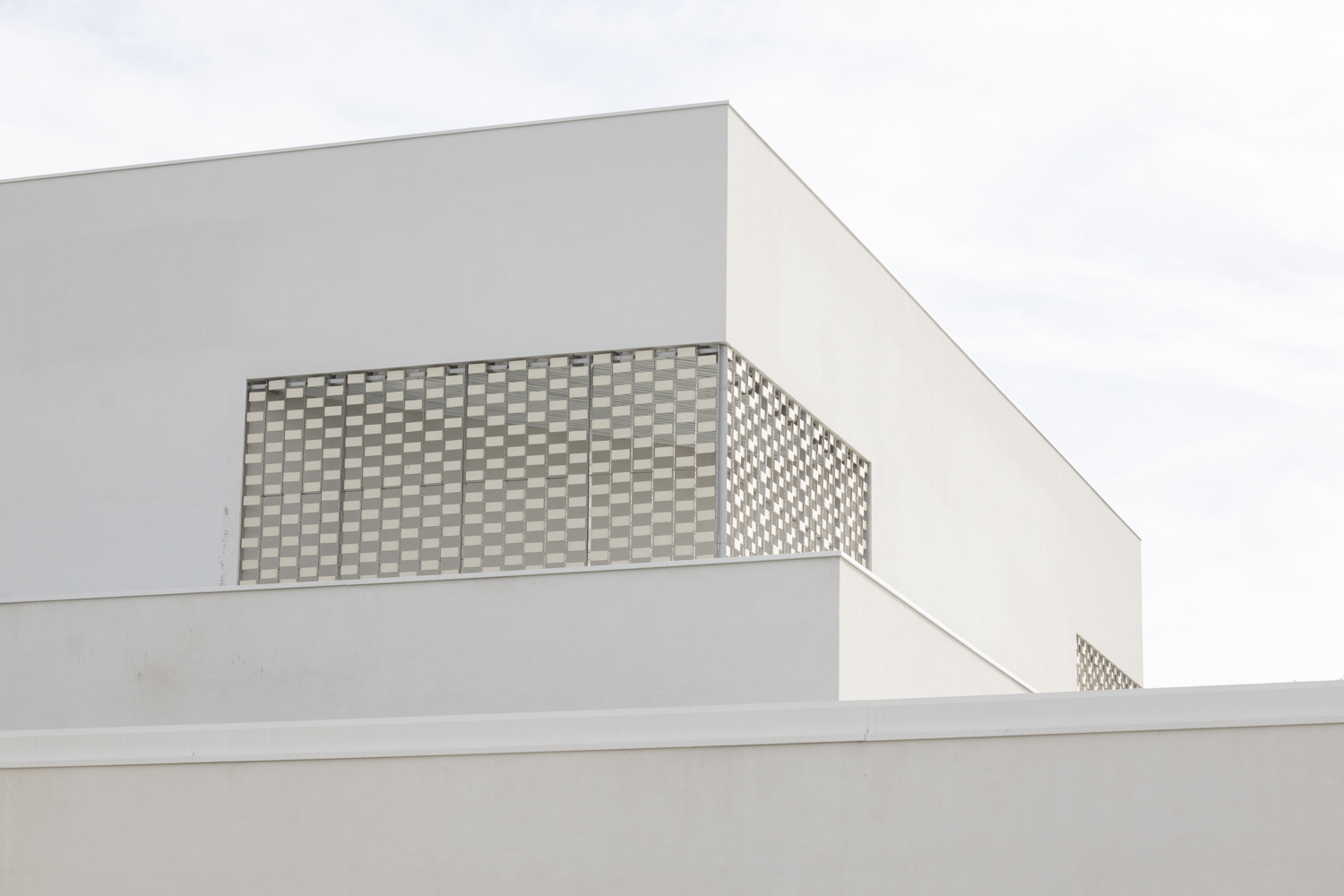
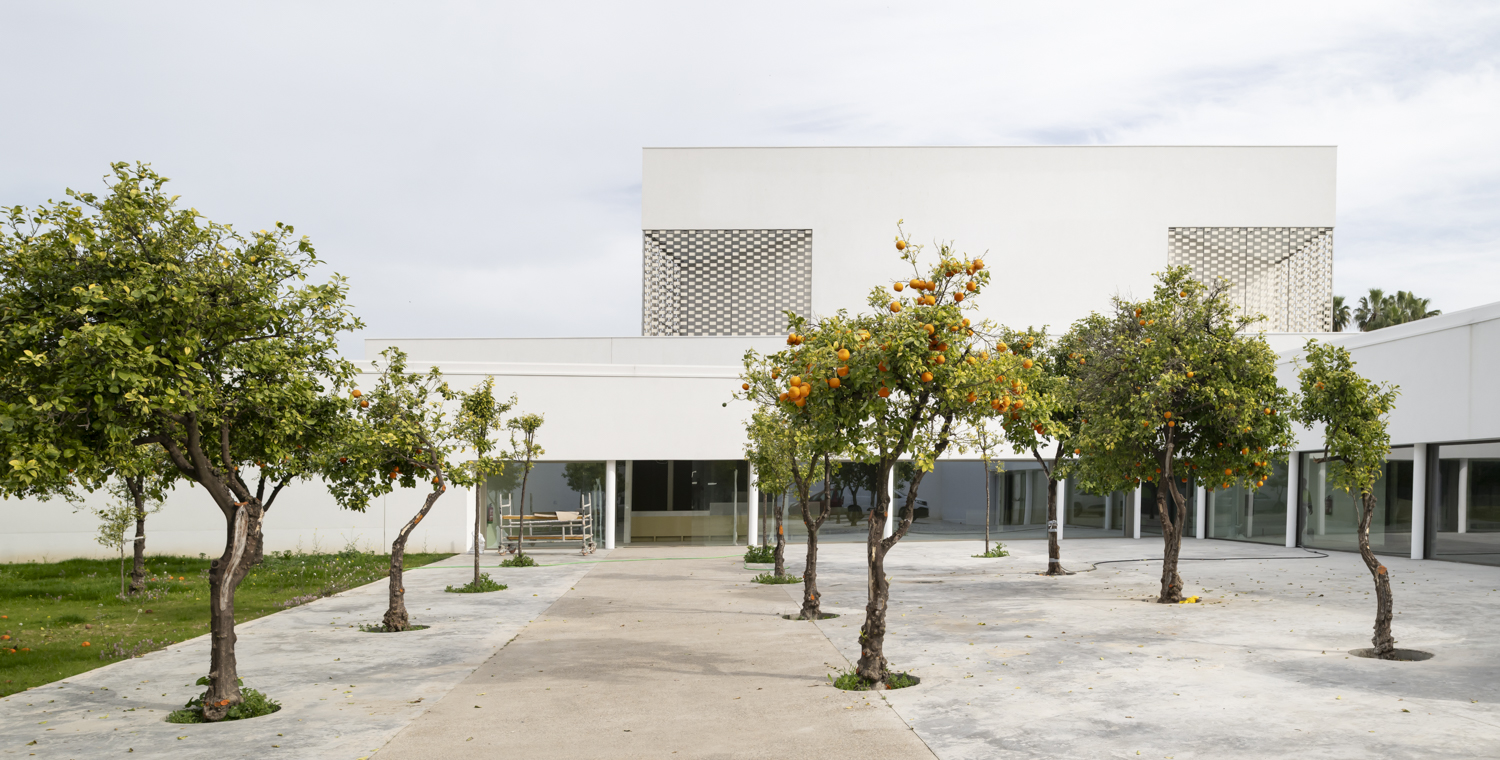
The renovation of the Pabellón del Siglo XV in La Cartuja, Seville, has become one of the most significant architectural and cultural rehabilitation projects currently underway in Andalusia. Originally built for Expo 92 and abandoned for more than 25 years, the building is being transformed into the new extension of the Centro Andaluz de Arte Contemporáneo (CAAC), incorporating new exhibition spaces, visitable storage areas, and cultural spaces linked to contemporary art.
The intervention, designed by architect Fernando Visedo Manzanares, will add between 5,000 and 6,000 m² to the museum and represents the first major expansion of the CAAC since its creation. The project is part of the broader transformation of La Cartuja Island, where former Expo 92 pavilions are being recovered through new criteria of sustainability, innovation, and urban regeneration.
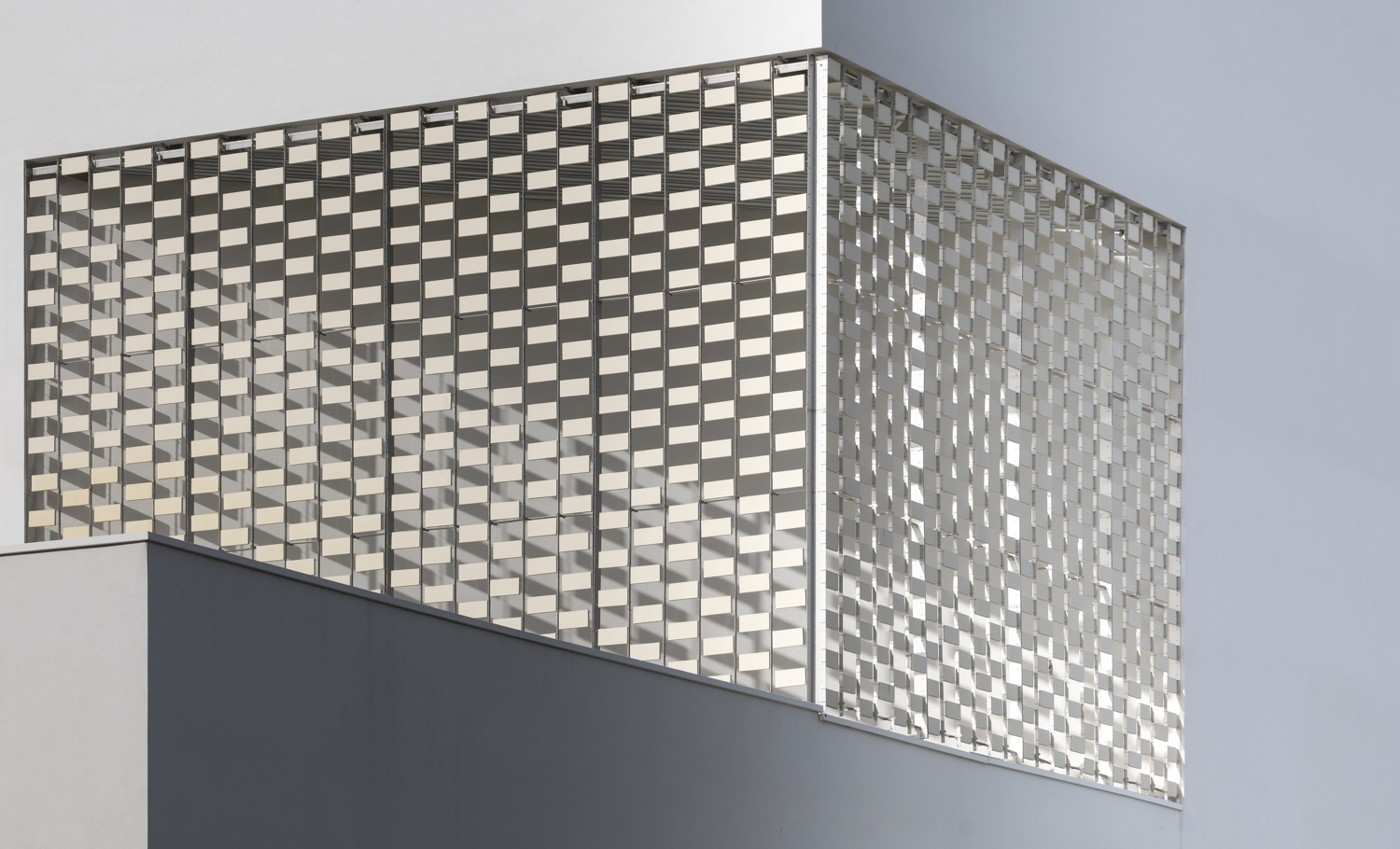
Within this context, the project also incorporates a major technological innovation jointly developed by Denvelops and La Paloma Ceramicas: the new Hybrid Ceramic TexTILES, installed for the first time in the world in this project and conceived as a new generation of architectural cladding systems for façades and pergolas.
The System Developed by Denvelops
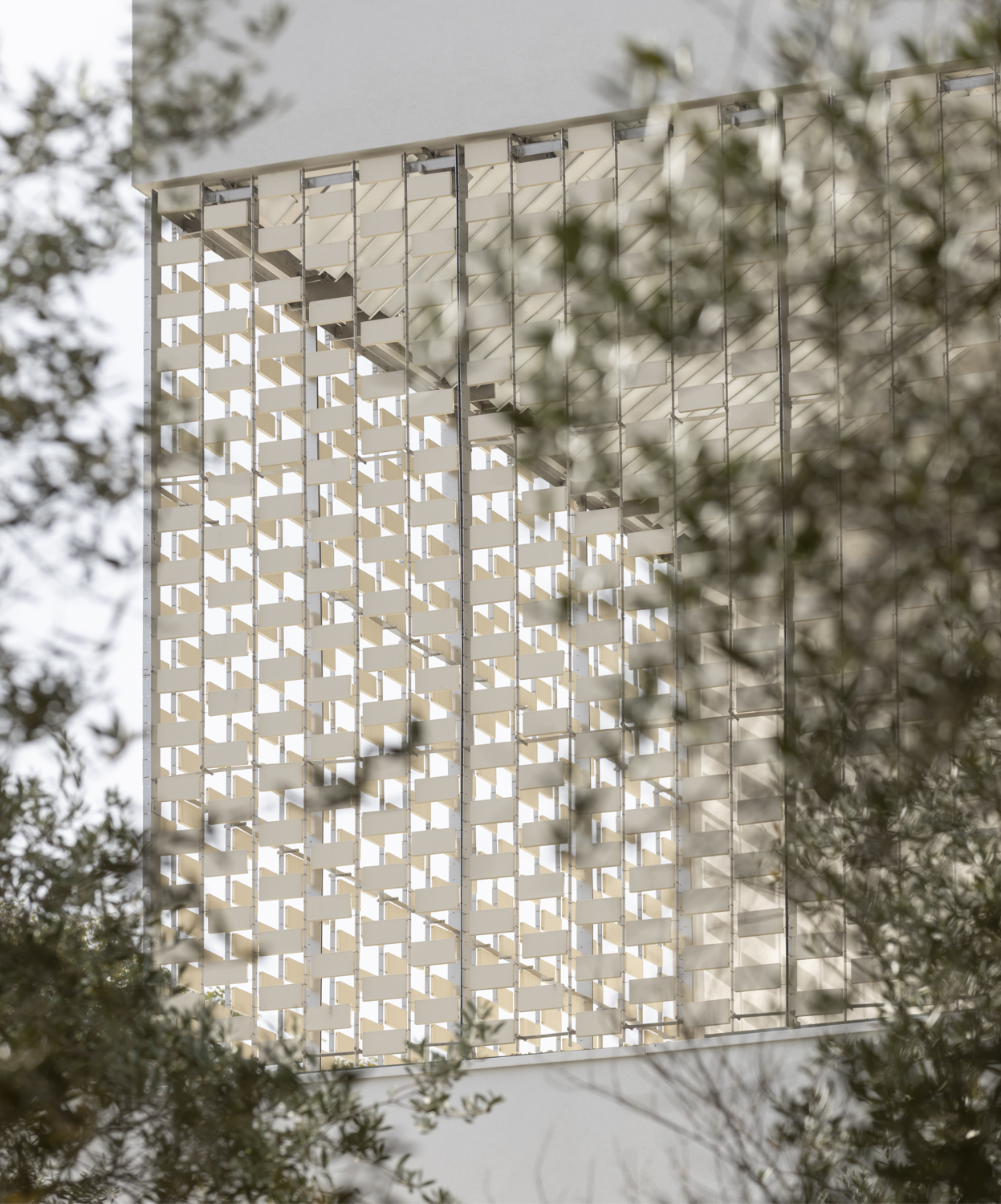
Hybrid Ceramic TexTILES represent a revolutionary alternative to traditional ceramic systems, especially in double-skin architectural applications. Inspired by the structural behavior of curtain walls, they are self-supporting systems engineered through finite element analysis, where all components work together to ensure homogeneous deformations, maximum stability, and long-term durability.
The solution developed by Denvelops is based on a lightweight stainless steel structure industrially assembled using high-precision CNC manufacturing. The system allows the creation of large lightweight textile-like surfaces with excellent structural performance and enormous compositional freedom, enabling the development of dynamic patterns, curves, folds, openings, and the integration of lighting or architectural signage.
One of the most innovative aspects of the system is its ability to generate new architectural textures and highly impactful visual effects. Thanks to the minimal visual presence of the structural components, the surfaces create pixelated compositions and changing light effects that visually transform the perception of the building depending on lighting conditions and the observer’s point of view.
From a construction perspective, the system is installed entirely dry, without waste or traditional wet processes, significantly reducing construction times, auxiliary equipment requirements, and the energy consumption associated with building works. In addition, all components are reusable, recoverable, and recyclable.
Fast, Safe, and Accessible Installation
Another major advancement of the system is its installation speed and safety. Hybrid Ceramic TexTILES are manufactured in large formats and can be installed in a single operation, ensuring perfectly coplanar finishes while minimizing installation risks during assembly.
The solution can also be installed using accessible/removable formats, facilitating maintenance operations as well as access to the primary façade and concealed installations behind the second skin. This configuration also allows many installations to be carried out without cranes, significantly reducing installation costs, auxiliary resources, and on-site execution complexity.
Thanks to its self-supporting conception, the system also guarantees high safety during lifting and installation operations, even in large-format applications.
The Ceramic Pieces Developed by La Paloma Cerámicas
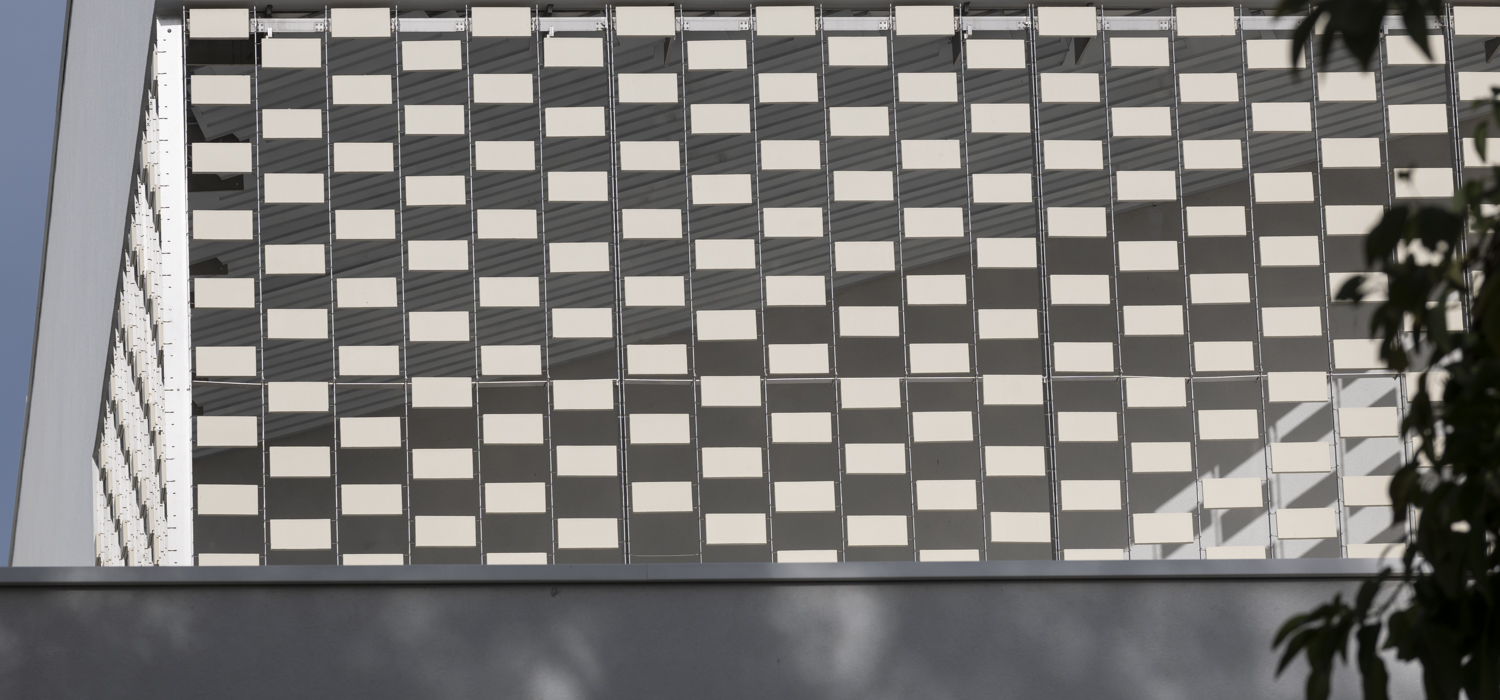
The system incorporates solid clinker stoneware ceramic pieces specifically developed by La Paloma Cerámicas for this technology. These solid elements stand out for their high resistance to impacts and mechanical aggressions, ensuring excellent durability and long-term stability.
One of the most innovative technical aspects lies in the arrangement of the fixing grooves, located on the long sides of the pieces, and in the stainless steel spring connection system. This ensures that even in the event of accidental breakage, the pieces remain attached to the system without any risk of falling, significantly increasing overall safety.
The ceramic pieces have been designed to maximize both technical performance and aesthetic quality, enabling the creation of surfaces with great visual richness through different modulations, densities, and geometric configurations.
Technical Validation and Regulatory Compliance
The complete system has undergone freeze-thaw testing and specific technical validations to guarantee its performance under demanding climatic conditions. Furthermore, the solution complies with all requirements established by the Spanish Technical Building Code (CTE) regarding safety, durability, and construction performance.
With this first real-world application at the Pabellón del Siglo XV, Denvelops and Cerámicas La Paloma introduce a technology that opens a new chapter in the design of ceramic architectural envelopes, integrating industrialization, sustainability, creative freedom, and high technical performance into a single construction system.